
Moisture Resistant Gypsum Board Applications And Waterproof Limitations
|


|
Moisture Resistant Drywall Procurement Guide Moisture Resistant Gypsum Board Applications And Waterproof LimitationsMoisture resistant gypsum board is designed for interior locations where humidity, condensation or occasional water splashes are more likely than in normal dry rooms. It is not automatically waterproof and should not be selected only because the facing paper is green. Correct procurement requires buyers to classify the water exposure, confirm the applicable product standard, review the complete wall or ceiling system and determine whether a separate waterproofing membrane is required. 01 Humidity Resistance Suitable products can provide improved performance in humid interior rooms compared with standard gypsum wallboard. 02 Occasional Splash Some boards may be used where occasional splashing is expected, subject to the product and system instructions. 03 Direct Water Exposure Continuous direct water requires a specifically approved wet-area substrate and waterproofing system. 04 System Verification Board, framing, joints, membrane, finish, ventilation and room use should be reviewed together. Moisture Resistant Does Not Mean WaterproofMoisture resistant gypsum board is formulated to reduce water absorption and improve performance in humid interior conditions. Depending on the product, this may involve a treated gypsum core, moisture resistant facing materials, mold resistant components or a combination of these features. The treatment improves tolerance to moisture but does not convert the panel into a permanently waterproof sheet. The Board Is A Substrate Not The Entire Waterproofing System A moisture resistant panel may form one layer of a bathroom or tiled wall, but it should not be expected to stop continuous water penetration by itself. Direct-water areas may require an approved membrane, sealed joints, compatible tile adhesive, protected penetrations and a substrate specifically permitted for the intended exposure.
Three Water Exposure ZonesThe correct board should be selected according to actual exposure rather than the general room name. One bathroom can contain a relatively dry vanity wall, a humid ceiling and a direct-spray shower enclosure requiring three different construction approaches. A Generally Suitable Humid Interior And Occasional Splash Areas Moisture resistant gypsum board is commonly considered for interior areas with elevated humidity or occasional splashing where the surface can dry and no continuous water exposure is expected.
B System Approval Required Tiled Wet-Use And Intermittent Spray Areas Some moisture resistant boards are approved by their manufacturers as tile substrates in wet-use areas. The complete construction may require a tanking or waterproofing system, sealed penetrations and compatible tile installation materials.
C Do Not Assume Suitability Continuous Water Steam And Exterior Exposure Standard paper-faced moisture resistant gypsum board should not be selected by default for continuously wet, highly condensed, submerged or weather-exposed environments.
Application Suitability Matrix
Moisture Resistant Gypsum Board ClassificationsProduct terminology varies between markets. Buyers should request the exact standard and classification instead of relying on descriptions such as green board, waterproof drywall or bathroom board.
Board Color Is Not A Universal Standard: Green, blue, purple or other facing colors are commonly used by
manufacturers for product identification and marketing. The color
alone does not prove water absorption, mold resistance, fire
classification or wet-area suitability. Complete Wet-Area Wall SystemWhen a manufacturer-approved moisture resistant gypsum board is used behind tiles in a wet-use area, the board should be treated as one part of a coordinated wall system. The system must control water at surfaces, joints, corners, fasteners and service penetrations. Simplified Wet-Area Layer Sequence Framing And Wall Cavity Approved Moisture Resistant Substrate Waterproofing Or Tanking Membrane Compatible Tile Adhesive Tile Finish And Grouted Joints Sealed Corners And Penetrations This diagram explains the general coordination of a tiled wet-area system. Actual products, membrane location, vapor control, joint treatment and installation sequence must follow the approved project and manufacturer details. Tiles And Grout Should Not Be Assumed To Waterproof The Wall Water can enter through joints, corners, penetrations, damaged sealant or cracks in the finish. Where the project requires waterproofing, the specified membrane and all transition details should be completed before the decorative finish is installed. Eight Factors That Determine Suitability1 Water Exposure Frequency Distinguish occasional splashing from daily direct spray, standing water or constant condensation. 2 Drying Opportunity Materials in a ventilated residential bathroom face different risks from materials that remain damp throughout the day. 3 Ventilation Design Mechanical extraction, air movement and room temperature influence condensation and drying performance. 4 Surface Finish Paint, tiles, wall panels and membranes create different levels of moisture protection and vapor resistance. 5 Joint And Edge Treatment Cut edges, screw heads, corners and board joints may require compatible sealants, compounds or membrane reinforcement. 6 Wall Cavity Design Insulation, vapor control, plumbing and exterior-wall conditions affect condensation risk inside the partition. 7 Building Use Intensity Residential bathrooms, hotels, hospitals, gyms and public showers can have very different daily moisture loads. 8 Manufacturer Approval The exact board, thickness, framing and finish should be permitted for the intended system and exposure. Bathroom Dry Zone And Wet Zone Selection
Ceiling Applications And Sagging RiskMoisture resistant wallboard should not automatically be installed on ceilings. Ceiling performance depends on board thickness, framing spacing, board direction, fastener spacing, board weight, insulation load and the humidity conditions expected during service.
Moisture Resistance And Sag Resistance Are Different Properties A board can have reduced water absorption but still require specific ceiling framing centers or thickness. Buyers should review both moisture data and ceiling application limits before ordering. Fire And Moisture Resistant Combined BoardsProjects such as hotel bathrooms, apartment kitchens, hospital washrooms and fire rated service rooms may require both moisture resistance and documented fire performance. One property should not be assumed to prove the other.
Product Selection Process1 Define The Exact Room And Surface Identify whether the board is for a wall, ceiling, shaft, tile substrate, dry zone or direct-spray area. 2 Classify The Water Exposure Separate humidity, condensation, occasional splash, direct spray, standing water and exterior weather exposure. 3 Confirm The Product Standard Identify ASTM C1396, EN 520 Type H or the applicable destination-market classification. 4 Review The Complete System Check framing, board thickness, joints, membrane, finish, insulation and ventilation together. 5 Verify Additional Performance Confirm fire, acoustic, impact, mold and ceiling requirements where the project needs combined performance. 6 Approve A Physical Sample Review board markings, thickness, dimensions, edge condition, facing quality and water absorption documentation. 7 Lock The Purchase Specification Add the manufacturer, product name, classification, thickness and approved application to the purchase order. 8 Protect The Boards During Delivery Keep boards dry, flat and protected from rain, container condensation and standing water. Documents Buyers Should RequestProduct Technical Data Sheet: Confirm product classification, thickness, dimensions, weight,
edge type and approved applications. Water Absorption Test Data: Review total water absorption, surface absorption or other
characteristics required by the applicable standard. Declaration Or Compliance Document: Match the delivered board with ASTM C1396, EN 520 or the required
national product standard. Wet-Area Installation Instructions: Confirm whether the product can be tiled and whether a tanking or
waterproof membrane is required. Mold Resistance Report: Verify the test method, result, tested surface and limitations if
mold resistance is specified. Fire Rated Assembly: Confirm the exact combined fire and moisture resistant board where
the partition also requires a fire rating. Ceiling Application Data: Review permitted framing spacing, thickness and board direction
for humid ceiling installations. Compatible Finishing System: Confirm joint compound, primer, paint, adhesive, membrane and tile
compatibility. Product Identification: Require manufacturer, product type, thickness and batch
information on the board or pallet. Packaging Specification: Review pallet support, waterproof covering, corner protection,
container bracing and storage instructions. Common Purchasing RisksGreen Color Used As The Only Evidence Board color does not prove water absorption, mold or wet-area performance. Product Described As Fully Waterproof The quotation may confuse moisture resistance with a complete waterproof system. No Water Absorption Report The buyer cannot verify the claimed moisture resistant classification. Shower Use Claimed Without System Details The required membrane, joints, tile adhesive and exposure limitations are unclear. Standard Board Repacked As MR Board Similar appearance may conceal a different core formulation and product code. Fire Rating Assumed From MR Classification Moisture resistance does not establish fire resistant board or assembly performance. Ceiling Use Not Confirmed The board may sag if thickness and framing centers are unsuitable. Board Installed Before Building Is Dry Construction moisture can be trapped inside completed wall cavities. Exterior Exposure Ignored Interior MR board may be damaged by rain, sunlight and temperature cycling. Wet Boards Accepted After Shipping Moisture resistance does not mean boards can be delivered soaked or water-damaged. Waterproof Membrane Applied Incorrectly Unsealed corners and penetrations can defeat the intended wet-area protection. Ventilation Excluded From The Design Persistent condensation may remain even when moisture resistant boards are used. Shipping And Storage RequirementsMoisture resistant gypsum board must still be protected from rain, standing water and container condensation. The moisture resistant treatment is designed for service conditions, not uncontrolled soaking during storage or transportation. Dry Container: Inspect the container roof, floor and doors for leaks before
loading. Raised Pallet Support: Prevent direct contact between boards and a potentially damp
container floor. Top And Side Protection: Use suitable moisture protection without trapping wet boards
inside sealed packaging. Container Condensation Control: Consider route, climate, desiccants, ventilation strategy and
loading conditions. Flat Storage: Store boards horizontally on level supports to reduce bending and
edge damage. Indoor Storage: Keep boards in a dry, covered and ventilated location before
installation. Wet Material Isolation: Separate and inspect boards exposed to leaks, condensation or
standing water. Installation Conditioning: Allow products and the building environment to reach appropriate
installation conditions before closing the system. Recommended Purchase Order DescriptionExample Moisture Resistant Board Description Moisture Resistant Gypsum Board For Interior Wall And Ceiling Applications, Specified Thickness And Dimensions, Tapered Or Square Edge As Required, Compliant With The Applicable ASTM C1396 Or EN 520 Type H Classification, With Water Absorption Data, Product Identification, Batch Traceability And Manufacturer Installation Instructions. Example Fire And Moisture Resistant Board Description Combined Fire And Moisture Resistant Gypsum Board, Exact Manufacturer And Product Designation, Specified Thickness, Applicable Product Standard, Approved For The Referenced Fire Rated Assembly And Intended Humid-Area Use, With Water Absorption Data, Fire Documentation And Batch Identification. Professional Buyer FAQIs Moisture Resistant Gypsum Board Waterproof? No. It is designed to provide improved moisture resistance compared with standard gypsum board, but it should not automatically be treated as a waterproof barrier. Can Moisture Resistant Gypsum Board Be Used In A Shower? Only when the exact product and complete wet-area system are approved for the application. A waterproofing or tanking membrane may also be required. Can Tiles Be Applied Directly To Moisture Resistant Board? Some manufacturers permit direct tiling in specified applications. Buyers should confirm board preparation, tile adhesive, tile weight, joint treatment and waterproofing requirements. Is Green Gypsum Board Always Moisture Resistant? Board color is not a universal technical classification. Verify the printed product designation, standard and water absorption data. Can Moisture Resistant Board Be Used Outdoors? Ordinary interior moisture resistant board is not intended for weather exposure. Exterior use requires a product specifically classified for the intended soffit, sheathing or exterior system. Can Moisture Resistant Board Be Used On Bathroom Ceilings? It may be used when the product is approved for ceiling applications and the thickness, framing spacing, fasteners and ventilation comply with the system requirements. Does Mold Resistant Board Prevent All Mold Growth? No. Mold resistant products can improve performance under defined conditions, but leaks, condensation, surface dirt and prolonged dampness must still be controlled. Can Wet Moisture Resistant Boards Be Dried And Installed? Water-exposed boards should be inspected according to the product manufacturer's guidance. Swelling, paper separation, distortion, mold or loss of strength may require rejection. Is Cement Board Waterproof? Cement board is generally water-durable, but it should not automatically be treated as the complete waterproofing layer. Wet-area designs may still require a membrane and sealed transitions. What Should Be Confirmed Before Bulk Ordering? Confirm the exposure zone, product classification, thickness, water absorption data, wall or ceiling use, wet-area approval, waterproofing system, fire requirements, packaging and batch identification. Technical Reference Framework: Moisture resistant gypsum board should be selected according to
the applicable product standard, declared water absorption
performance, manufacturer instructions, room humidity, water
exposure frequency and complete wall or ceiling system. Product
descriptions such as green board, waterproof drywall or bathroom
board should not replace technical classification and intended-use
documentation. Always confirm the destination-market standard,
local code and approved system before procurement. Match The Board To The Actual Water Exposure Provide the room type, dry or wet zone, wall or ceiling application, expected water exposure, destination standard, fire requirements, board thickness and order quantity. The appropriate moisture resistant board and supporting waterproofing system can then be reviewed before bulk production. |
||||||||||||||||||||||||||||||||||||||||||||||||||||||||||||||||||||||||||||||||||||||||||||||||||||||||||||||||||||||||||||||||||||||||||||||
| Product Tags: moisture resistant gypsum board waterproof plasterboard applications water resistant gypsum board limitations |

|
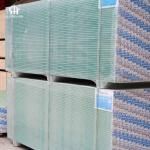
Moisture Resistant Gypsum Board Applications And Waterproof Limitations |
|
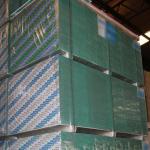
Moisture Resistant Gypsum Board Vs Cement Board And Magnesium Board |
|
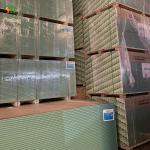
Moisture Resistant Gypsum Board Water Absorption And Mold Resistance |
|
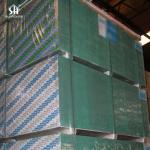
Moisture Resistant Gypsum Board Packaging Shipping And Storage Protection |
|
Moisture Resistant Gypsum Board Sag Resistance And Ceiling Stability |
|
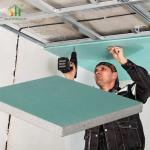
Industrial Design Gypsum Board 15mm Common for Office Interiors Ceilings Walls Commercial Projects |