
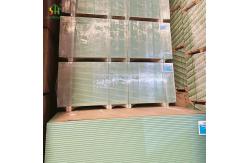
Moisture Resistant Gypsum Board Packaging Shipping And Storage Protection
|



|
Moisture Resistant Board Logistics Guide Moisture Resistant Gypsum Board Packaging Shipping And Storage ProtectionMoisture resistant gypsum board is designed to perform better than standard wallboard in suitable humid interior applications. It is not designed to be transported, unloaded or stored in a wet condition. Export buyers should control pallet design, wrapping, container condition, condensation, cargo restraint, warehouse stacking and damage inspection from the factory loading area to the final installation floor. 01 Dry Packaging Boards, timber pallets, edge protection and wrapping materials should be dry before the shipment is closed. 02 Flat Support Panels should be stacked flat on level, aligned supports that prevent sagging, edge crushing and uneven loading. 03 Condensation Control Container moisture, temperature changes and wet dunnage can produce damaging condensation during long-distance transport. 04 Receiving Inspection Wet, stained, distorted or delaminated panels should be isolated and assessed before acceptance or installation. Moisture Resistant Board Must Still Be Kept Dry Moisture resistant treatment reduces water absorption under defined product conditions. It does not authorize rain exposure, shipment in a leaking container, contact with wet timber, outdoor storage without protection or installation while the panels remain damp. Uncontrolled moisture can damage facings, soften edges, increase board weight, produce distortion and create conditions favorable to mold growth. Moisture Resistance Is A Service Property Not A Shipping Permission A moisture resistant board should arrive dry and undamaged. The words moisture resistant, water resistant or mold resistant should never be used to justify wet loading, rain exposure, direct floor contact or acceptance of panels affected by container condensation. P Factory Protection Packaging System The packaging should protect board faces, tapered edges, ends and corners during forklift handling, road movement, sea transport and unloading. Wrapping should provide useful moisture protection without concealing already wet material. S Cargo Stability Shipping Restraint Pallets should remain stable during acceleration, braking, vessel movement and terminal handling. Blocking, bracing and load distribution should prevent sliding, leaning and impact against container doors or walls. C Climate Protection Condensation Management Long voyages may expose the container to large temperature changes. Moisture carried by cargo, timber pallets, air and packaging can condense on the roof or walls and drip onto the board stacks. W Destination Protection Warehouse Storage The destination warehouse should provide a dry floor, level supports, sufficient aisle space, roof-leak control and a storage layout that avoids uneven stacks or repeated forklift contact. Common Moisture Damage Routes
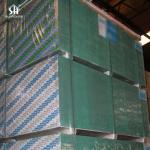
Recommended Export Packaging StructurePackaging should be designed around board dimensions, pallet weight, loading method, transport route, number of handling stages and destination climate. The following layout is a general procurement framework rather than a universal pallet design. Simplified Pallet Protection Sequence Dry Level Timber Or Approved Pallet Bottom Moisture Separation Layer Flat Aligned Gypsum Boards Corner And Edge Protection Top Protection And Moisture-Resistant Wrap Straps Blocking And Container Restraint The exact pallet material, number of bearers, strap position, wrapping type and bracing method should be engineered for the board size, stack height, gross pallet weight and handling equipment. Pallet And Bearer Design1 Dry Support Material Timber pallets and bearers should not introduce excess moisture into the wrapped stack or closed container. 2 Level Supporting Plane All bearers should form one flat plane so that the board stack is not forced to bridge over uneven supports. 3 Aligned Bearer Positions When pallets are stacked, vertical support points should align to transfer loads rather than bending the lower stacks. 4 Forklift Entry Fork openings should suit the equipment and allow full fork insertion without contacting board edges or bottom sheets. 5 Pallet Load Capacity Pallets should support the declared gross weight during lifting, stacking, transport vibration and destination handling. 6 Board Edge Clearance The package should reduce the risk of forks, straps or adjacent pallets directly crushing tapered edges and corners. 7 Export Timber Compliance Timber packaging should satisfy the destination's applicable phytosanitary and marking requirements. 8 Bottom Separation A suitable separation layer can reduce contact with pallet moisture, dirt, splinters and localized abrasion. Narrow Or Uneven Bearers Can Permanently Distort The Stack Heavy board stacks placed on insufficient or misaligned supports can develop waves, broken edges or bottom-board deformation. Increasing plastic wrap does not correct an inadequate pallet structure. Edge Corner And Surface Protection
Wrapping Limitation: Stretch film or plastic covering can reduce splash and dust
exposure, but it cannot make a leaking container safe. It may also
trap moisture when boards, pallets or air inside the package are
already damp. Container Inspection Before LoadingContainer Roof: Inspect for holes, repairs, corrosion, daylight penetration and
evidence of previous water entry. Sidewalls And Front Wall: Check dents, sharp projections, holes and damaged internal panels. Door Gaskets: Confirm that seals are continuous, flexible and able to close
correctly. Door Operation: Verify that doors close fully and locking bars operate without
forcing. Container Floor: Confirm that it is dry, clean, level and free from oil, chemicals,
standing water or protruding fasteners. Odor And Contamination: Reject containers with strong odors, residues or evidence of
previous incompatible cargo. Ventilation Openings: Check that standard vents are not blocked or damaged. Lashing Points: Confirm that required securing points are present and usable. Internal Dimensions: Verify that pallet dimensions, lifting clearance and door opening
suit the proposed loading plan. Container Payload: Confirm that cargo gross weight and load distribution remain
within the container and transport limits. Inspection Record: Photograph the empty container, floor, roof, doors and
identification number. Dryness Confirmation: Do not load when the container floor or walls are wet from
washing, rain or condensation. Container Condensation And Container RainA dry container can still develop condensation during transport. Temperature changes may cause moisture in the enclosed air, timber, packaging or cargo to condense on colder steel surfaces. Droplets can accumulate on the roof and fall onto the top pallet layers. 1 Moisture Enters The Closed Container Moisture may come from humid loading air, wet timber, damp packaging, wet cargo or loading during rain. 2 Temperature Changes During Transit Day-night cycles, changing climates and vessel position can heat and cool the container repeatedly. 3 Air Reaches The Dew Point Moist air contacting a colder container wall or roof may release water as condensation. 4 Droplets Form Above The Cargo Condensation can collect on the roof, walls, packaging or other cool surfaces. 5 Water Reaches The Board Stack Droplets may stain the top boards, weaken packaging, damage labels or create mold-prone damp areas. Condensation Risk Reduction1 Load Dry Boards Do not place recently wetted, stained or visibly damp panels inside a sealed export package. 2 Use Dry Pallets And Dunnage Timber supports can become a significant moisture source when loaded in a wet or poorly conditioned state. 3 Load Under Cover Prevent rain and high surface moisture from entering the package during loading. 4 Inspect Container Dryness A recently washed container should be fully dry before gypsum board loading begins. 5 Select Suitable Desiccant Strategy Desiccant quantity and placement should reflect transit duration, route, container volume and moisture risk. 6 Protect Against Roof Drips Top covers, liners or other approved measures may reduce direct contact between droplets and the cargo. 7 Avoid Wet Cardboard Packaging Damp cartons and paper accessories can contribute moisture and lose strength during transit. 8 Record Loading Conditions Photographs and environmental records help verify that cargo and packaging were dry when loaded. Desiccants Cannot Correct Wet Cargo Or A Leaking Container Moisture absorbers are a supplementary control. They should not be used to justify loading wet boards, wet pallets or a container with defective seals, roof holes or standing water. Container Loading And Cargo Restraint
Plastic Wrap Is Not A Cargo Restraint System Pallet wrapping helps maintain package integrity, but it should not be expected to stop heavy board stacks from moving inside the container. Blocking and bracing must address the actual cargo mass and transport forces. Truck And Container Transport Comparison
Destination Unloading Procedure1 Inspect Container Exterior Record dents, holes, seal condition, container number and any signs of water leakage before opening. 2 Open Doors Cautiously Cargo may have shifted toward the doors. Stand clear and control the first door during opening. 3 Inspect For Condensation Check the roof, walls, floor, packaging and pallet tops for droplets, stains or wet areas. 4 Photograph Before Unloading Record pallet positions, bracing, damaged wrapping, leaning stacks and visible water marks. 5 Remove Restraints Safely Release airbags, timber and other restraints without allowing the board stacks to move suddenly. 6 Use Suitable Forklift Equipment Match fork length, capacity and entry direction with the pallet design. 7 Isolate Suspect Pallets Separate wet, stained, crushed or distorted packages before moving conforming stock into storage. 8 Complete Receiving Report Record quantities, batch codes, condition, photographs, inspection findings and claim notifications. Warehouse Storage RequirementsPreferred Condition Dry Indoor Warehouse Store panels flat on level supports in a weather-tight, ventilated building with a dry floor, controlled roof drainage and enough aisle space for safe handling. Temporary Condition Covered Transit Area Short-term holding may be acceptable where the area is fully covered, dry and protected from wind-driven rain, floor water and vehicle impact. Emergency Only Outdoor Storage Outdoor storage should be avoided. When unavoidable, panels require flat level support above the ground and complete weather and sunlight protection without trapping existing moisture. Flat Stacking: Store boards horizontally rather than leaning large stacks against
walls or columns. Level Supports: Use supports positioned to prevent sagging and align them
vertically where multiple pallets are stacked. Dry Floor: Keep pallets above floor cleaning water, minor flooding and
moisture migration. Roof-Leak Control: Do not store stock below known roof joints, drainage pipes or
leaking mechanical services. Ventilation: Allow damp warehouse air to dissipate without exposing panels to
uncontrolled exterior weather. Sunlight Protection: Protect packaging and board facings from prolonged direct
sunlight. Aisle Clearance: Provide sufficient space for full forklift turning and fork
insertion. Stack Height Control: Follow pallet capacity, warehouse floor loading and safe handling
limits. First-In First-Out: Use batch and arrival-date control to reduce extended storage and
repeated handling. Damage Isolation: Separate wet, mold-suspect or structurally damaged stock from
conforming material. Protective Packaging: Keep suitable packaging in place until the material is ready for
controlled use. Building Readiness: Do not transfer panels to an installation floor that remains
exposed to rain or excessive construction moisture. Flat Storage Vs Upright Storage
Assessment Of Wet Or Damaged BoardsWater exposure should be evaluated according to its source, duration, affected area and the physical condition of the panel. Drying a board does not automatically restore original strength, dimensions, paper bond or approved product condition.
Dry Appearance Does Not Always Prove The Board Is Undamaged Panels may dry after an incident but retain soft edges, distortion, paper separation, staining or reduced fastener performance. The cause and extent of exposure should be reviewed before the stock is released for use. Pre-Shipment Inspection PlanProduct Identification: Match manufacturer, product type, thickness and batch code with
the approved purchase documents. Board Condition: Check surfaces, edges, corners, dimensions and visible moisture
damage. Pallet Dryness: Confirm that pallets, bearers and dunnage are dry and free from
mold. Pallet Construction: Check bearer quantity, alignment, fork entry and overall rigidity. Stack Alignment: Confirm that boards are square, flat and not overhanging the
supports. Edge Protection: Verify corner protectors, edge guards and strap contact points. Wrapping: Check top, side and bottom coverage and ensure the material was
dry before wrapping. Strap Condition: Confirm strap number, placement and tension without board
crushing. Pallet Labels: Verify product, quantity, dimensions, batch and handling markings. Container Condition: Inspect roof, seals, walls, floor, odor, cleanliness and dryness. Loading Plan: Verify pallet sequence, weight distribution, clearances and
restraint method. Photo Record: Photograph pallets before loading, during loading and after final
bracing. Shipment Documentation
Common Purchasing And Logistics Red FlagsMoisture Resistant Means Rainproof Product performance is incorrectly used to justify wet loading. Boards Wrapped While Damp Moisture becomes trapped inside the sealed package. Wet Timber Pallets Pallets add humidity and stain the bottom board layers. No Container Roof Inspection Existing holes or previous leakage remain undiscovered. Recently Washed Container Residual floor and wall moisture enters the sealed shipment. Desiccants Used As The Only Control Wet cargo and defective containers remain uncorrected. Straps Directly Crush Board Edges Excess tension damages corners and tapered edges. Pallets Supported Unevenly Heavy stacks develop waves and bottom-board deformation. Plastic Wrap Used As Bracing Heavy pallets can move toward the container doors. Cargo Loaded During Rain Exposed edges become wet before doors are closed. Mixed With Wet Cargo Moisture, leakage or contamination transfers between products. No Door-End Restraint Shifted pallets create unsafe unloading conditions. Outdoor Storage On Bare Ground Ground moisture and rain affect the lower boards. Pallets Leaned Against Walls Boards can bow, fall or suffer edge damage. Wet Boards Mixed With Good Stock Damage extent and claim quantities become difficult to verify. Damaged Stock Installed Immediately Hidden softness, deformation or delamination enters the project. Recommended Purchase Order RequirementsDry Delivery Requirement: State that boards, pallets, wrapping and dunnage must be dry at
the time of loading and delivery. Flat Pallet Storage: Require horizontal stacking on level supports that prevent
sagging. Pallet Design: Define dimensions, support arrangement, gross weight capacity and
forklift entry. Edge Protection: Specify corner protectors, edge guards and strap-contact
protection. Wrapping Method: Define top, side and bottom protection and prohibit wrapping wet
material. Strapping: State strap quantity, position and requirement to avoid board
crushing. Container Inspection: Require a clean, dry, odor-free and watertight container. Condensation Control: Define approved desiccants, liners, top protection or other
measures according to the route. Loading Restraint: Require an approved blocking and bracing plan based on pallet
weight. Product Marking: Require product name, thickness, manufacturer, quantity and batch
identification. Loading Photographs: Require images of pallet condition, empty container, loading
sequence and final restraint. Wet-Board Rejection: Define the inspection, isolation and claim procedure for wet or
moisture-damaged panels. Indoor Storage Requirement: State that destination storage must be dry, covered, level and
protected from weather. No Unauthorized Packaging Change: Prohibit changes to pallet, wrapping, board quantity or loading
configuration without approval. Example Purchase SpecificationExport Packaging And Shipping Description Moisture Resistant Gypsum Boards Shall Be Supplied Dry And Undamaged, Stacked Flat On Dry Level Export Pallets With Adequate Bottom Support, Corner And Edge Protection, Top And Side Moisture-Resistant Covering, Controlled Strapping, Durable Product And Batch Labels, And Suitable Blocking And Bracing Inside A Clean Dry Watertight Shipping Container. Wet Boards, Wet Timber Supports And Rain-Exposed Packages Shall Not Be Loaded. Destination Storage Description Gypsum Boards Shall Be Unloaded Using Suitable Forklift Equipment, Inspected Before Acceptance And Stored Flat On Level Supports Inside A Dry Weather-Tight Building. Panels Shall Be Protected From Rain, Standing Water, Direct Sunlight, Roof Leaks, Floor Moisture, Impact, Uneven Stacking And Unsupported Overhead Loads. Professional Buyer FAQCan Moisture Resistant Gypsum Board Be Shipped In A Wet Condition? No. Moisture resistance does not permit wet shipment. Boards, pallets, dunnage and containers should be dry before loading. Is Plastic Wrapping Enough For Ocean Shipping? No. Wrapping is only one protection layer. Pallet support, container condition, condensation control and cargo restraint are also required. Why Can Dry Boards Arrive With Water Stains? Moisture inside the container can condense during temperature changes and drip from the roof or walls onto the packages. Do Desiccants Prevent All Container Condensation? No. They can reduce risk when correctly selected, but they cannot correct wet cargo, wet pallets, severe moisture sources or a leaking container. Can Gypsum Boards Be Stored Upright? Full-size board stacks are generally intended to be stored flat on level supports. Leaning stacks can bow, fall and damage edges. Can Gypsum Boards Be Stored Outside? Indoor storage is preferred. Temporary outdoor storage requires flat off-ground support and full protection from weather and direct sunlight. Can A Wet Board Be Dried And Used? Not automatically. Inspect for softness, swelling, distortion, paper separation, mold and loss of product integrity. Follow manufacturer and project requirements. Should Wet Pallets Be Loaded If The Boards Are Dry? No. Wet timber can transfer moisture to the bottom boards and increase humidity inside the closed container. Are More Straps Always Better? No. Excessive or poorly positioned straps can crush board edges. Strap quantity, tension and protection should match the pallet design. Can Stretch Film Stop Pallets Moving In A Container? Stretch film helps maintain package integrity but is not a substitute for blocking, bracing or other cargo restraint. What Should Be Checked When The Container Arrives? Check the container exterior, door seals, cargo position, roof condensation, packaging, pallet condition, water marks, board damage and batch quantities before acceptance. What Should Be Confirmed Before Bulk Ordering? Confirm pallet structure, dry packaging, edge protection, wrapping, strapping, container inspection, condensation controls, loading restraint, destination storage and wet-board claim procedures. Technical Reference Framework: Moisture resistant gypsum panels should be packaged, shipped,
handled and stored so that they remain dry, flat, supported and
protected from edge, end and surface damage. Export planning should
include pallet design, dry dunnage, container inspection,
condensation risk, cargo restraint, receiving inspection and indoor
storage. Moisture resistant product classification does not replace
proper logistics protection. Protect The Board From Factory To Installation Provide the board dimensions, pallet quantity, gross weight, loading method, shipping route, destination climate, container type, warehouse conditions and project quantity. The export packaging, condensation-control and loading plan can then be reviewed before shipment. |
||||||||||||||||||||||||||||||||||||||||||||||||||||||||||||||||||||||||||||||||||||||||||||||||||||||||||||||||||||||||||||||||||||||||||||||||||||||||||||||||||||||||||||||||||||||||||||||||||||||||||||||||||||
| Product Tags: moisture resistant gypsum board packaging water resistant plasterboard storage protection gypsum board shipping moisture protection |

|
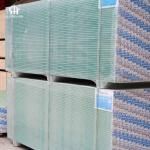
Moisture Resistant Gypsum Board Applications And Waterproof Limitations |
|
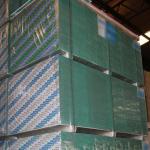
Moisture Resistant Gypsum Board Vs Cement Board And Magnesium Board |
|
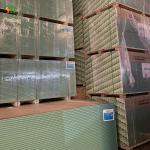
Moisture Resistant Gypsum Board Water Absorption And Mold Resistance |
|
Moisture Resistant Gypsum Board Packaging Shipping And Storage Protection |
|
Moisture Resistant Gypsum Board Sag Resistance And Ceiling Stability |
|
Industrial Design Gypsum Board 15mm Common for Office Interiors Ceilings Walls Commercial Projects |