
Eco Friendly Wood Textured Outdoor WPC Wall Panel 219*26mm First Gen
|


|
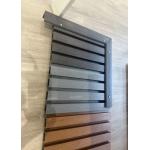
219*26 Eco-Friendly & Wood-Textured First-Gen Outdoor WPC Wall Panel Product Summary This product is manufactured by directly extruding a homogeneous blend of premium wood fibers and high-density polymers without an outer artificial coating, offering a highly natural, matte, tactile timber texture. As a time-tested architectural solution, it provides solid structural rigidity and high impact resistance, making it an ideal choice for budget-conscious outdoor landscapes, building facades, fencing, and courtyard wall upgrades seeking an authentic wood look.
About this Product
Technical Specification
Certification How to Install Ensure the base wall is flat, dry, and structurally sound. Install a moisture barrier if necessary. Fix the substructure joists (aluminum, steel, or treated timber) vertically or horizontally depending on your panel orientation. Joist spacing (span) must be less than 50cm (ideally 35cm to 45cm) to prevent panel deflection.
Ensure a continuous air gap of at least 25mm behind the panels. This allows supply air to enter from the bottom and exit from the top, preventing trapped moisture, mold, and heat buildup behind the facade.
Install the starter clips or position the first WPC panel at the base or corner of the wall. Use flat-head self-tapping stainless steel screws to secure the female/male joint point directly onto the joist frame. Use level tools to ensure it is perfectly plumb.
Slide the next panel into the groove of the previous one. Crucial EEAT Requirement: Due to natural thermal expansion and contraction, if installing under 20°C, a 2mm to 5mm gap is strictly required at each butt joint (end-to-end connection) where two wall panels meet. Use extra joists at the ending of each panel to support joint points.
Install matching WPC corner trims, L-profiles, or fascia boards to cover exposed edges, windowsills, and door frames, sealing the system nicely against water ingress while maintaining a sleek aesthetic.
Gap is King Never butt panels tight end-to-end; leave a 2-5mm thermal expansion gap. Always leave 25mm space behind the panels for airflow.
Solid Base Do not screw directly into concrete. Max joist spacing: 50cm. Performance Advantages
Accessories Colors Our Factory
FAQ Q1: Does this first-generation outdoor WPC wall panel fade after UV exposure?A1: Yes, first-gen panels experience a natural "weathering" process. Due to the exposed natural wood fibers on the surface, the color will slightly lighten within the first 3 to 6 months of outdoor UV exposure before stabilizing. This is a normal phenomenon for traditional WPC and does not affect its structural integrity or service life.
Q2: Why must I strictly follow the expansion gap rules for a first-gen panel?A2: First-gen composite wall panels have a higher percentage of exposed wood flour, meaning they react more noticeably to temperature shifts and moisture. Leaving a 3-5mm expansion gap at the ends prevents the panels from shifting, warping, or buckling against each other during peak summer heat or wet seasons.
Q3: How do I clean and remove stains from traditional WPC cladding?A3: Because the surface has no plastic protective shield, it is slightly more porous. Oil or grease stains should be cleaned immediately with soap and water. For stubborn weathered stains or mild surface scratches, you can gently sand along the wood grain direction using fine-grit sandpaper to refresh the texture.
Q4: Is a first-generation outdoor WPC panel suitable for high-humidity coastal areas?A4: Yes, but proper installation is critical. In extremely humid or coastal zones, you must ensure a flawless 25mm rear ventilation gap and professional joist spacing to allow rapid drying. For projects with direct water contact or zero ventilation, a second-generation co-extrusion panel would be a technically superior choice. |
||||||||||||||||||||||||||||||||
| Product Tags: Eco Friendly Outdoor WPC Wall Panel Wood Textured Outdoor WPC Wall Panel |
|
200*17mm Timeless High Strength WPC Panels For Exterior Walls |

|
Durable Outdoor WPC Wood Plastic Composite Wall Panel Natural Looking |

|
Eco Friendly Wood Textured Outdoor WPC Wall Panel 219*26mm First Gen |

|
Weatherproof Modern Exterior WPC Wall Panel Interlocking WPC Outdoor Panel |

|
177*13mm Exterior WPC Wall Panel Weather Shielded Vibrant Co Extrusion |

|
Budget Friendly WPC Wall Panel Outdoor Fireproof 192*13mm |