
IR-Compatible Optical Lens Elements for Night Driving and Automotive Vision Systems
|
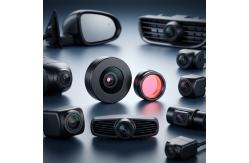
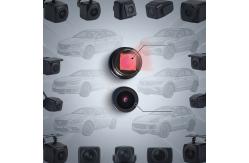
|
IR-Compatible Optical Lens Elements for Night Driving and
Automotive Vision Systems In automotive night driving systems, performance degradation is often incorrectly attributed to image sensors or ISP algorithms. In real vehicle deployment, however, most night vision issues originate from instability in IR optical transmission and material mismatch within the lens system. Common field issues reported by automotive camera OEMs include:
These problems typically appear after SOP (Start of Production), when vehicle systems are exposed to real environmental and thermal conditions. Our IR-compatible optical lens elements are designed for automotive camera manufacturers who need stable night driving performance without recalibration, image drift, or batch variation. Why Night Vision Systems Fail in Mass Production Vehicles From an automotive procurement perspective, night vision instability is not a design issue—it is a material and optical integration issue. Suppliers are usually replaced when:
In most cases, the root cause is insufficient control of IR-compatible optical material behavior under automotive conditions. IR Optical Material Behavior Under Automotive Conditions Night driving systems require optical materials that maintain consistent behavior under both visible and infrared wavelengths. Stable Visible + IR Transmission Control Our IR-compatible optical lens elements are designed to maintain consistent transmission across dual-spectrum operation:
This ensures consistent imaging performance in both daytime driving and night vision operation. Focus Stability Between Day and Night Modes One of the most common failures in automotive night vision systems is focus shift during mode switching. We address this through:
This improves reliability in real driving transitions such as tunnel entry, dusk conditions, and mixed lighting environments. Thermal Stability for Real Vehicle Environments Vehicle camera systems operate under extreme and continuously changing temperatures. Our optical design ensures:
This is critical for maintaining night vision reliability over vehicle lifetime. Optical Design Strategy for Automotive IR Imaging Systems IR-compatible lens elements are not designed as standalone components. They are designed as part of a full automotive vision system. We optimize based on:
This ensures night vision systems remain stable after integration into vehicle platforms. Manufacturing Control for Automotive IR Lens Systems Night vision instability in production is often caused by batch variation in optical materials and coating inconsistency. We implement:
This ensures consistent night vision performance across long-term production programs. Typical Technical Parameters
Application Scenarios These IR-compatible optical lens elements are widely used in:
FAQ Q1: Why do automotive night vision systems fail after SOP? Because IR optical behavior changes under real temperature cycling and production variation, leading to inconsistent imaging performance. Q2: Is IR performance dependent on the lens or the sensor? Both matter, but in most field failures, optical transmission mismatch is the primary cause of performance degradation. Q3: Can this system support both 850nm and 940nm IR applications? Yes. The optical system is designed to support both common automotive IR wavelength ranges. Q4: Do you support OEM automotive night vision projects? Yes. We provide optical design and manufacturing support for OEM and Tier-1 automotive camera suppliers. |
||||||||||||||||
| Product Tags: IR Compatible Night Driving Lens Automotive Night Vision Optical Lens IR Compatible Automotive Vision Lens |

|
IR-Compatible Optical Lens Elements for Night Driving and Automotive Vision Systems |

|
Automotive Optical Glass Lens Elements for ADAS Vehicle Camera Systems |

|
Vehicle Camera Lenses for Driver Monitoring and In-Cabin Vision Systems |

|
Vehicle Camera Lenses for Surround View and Parking Systems |

|
Automotive Grade Custom Vehicle Camera Lenses for ADAS and Driver Assistance Systems |