
1 - 10 of 101
polyaspartic faq
Selling leads

|
Polyaspartic polyurea material is a high-molecular polymer containing urea bonds, formed by mixing a low-reactivity secondary amine resin, namely ...
2026-10-24 00:14:19
|

|
Polyaspartic was first developed in U.S. labs and later patented by Bayer, bringing it to market—initially with niche uses in military protection, ...
2026-10-24 00:14:19
|

|
When it comes to garage floor coatings, the debate often centers around two key players: epoxy and polyurea. Both come with their own set of ...
2026-10-23 14:47:16
|
|
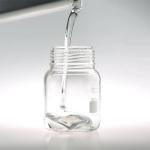
Despite both being resins, polyaspartic resin and epoxy resin are distinct materials. Structural Differences: Polyaspartic resin, an aliphatic ...
2026-10-23 14:47:15
|

|
Polyaspartic is a high-performance, aliphatic, two-component elastomer coating. It is formed through a rapid addition polymerization between ...
2026-10-23 14:47:15
|

|
In the realm of industrial coatings, a groundbreaking technology emerged in the 1990s, known as polyaspartic resin. This innovative material is ...
2026-10-23 14:47:14
|

|
Performance comparison of Feiyang Polyaspartic Polyurea & Polyurethane coating Feiyang PA(Feiyang PA resin and developed PA resin) Traditional ...
2026-10-23 14:47:14
|

|
Effects of Water and Alcohols Impurities in Polyaspartic Flooring Formulation The influence of water and minor molecular alcohols on the reaction rate ...
2026-10-23 14:47:13
|
|
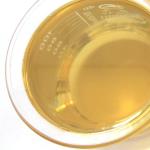
Polyaspartic elastomers, a novel type of slow-reacting, high-performance, non-yellowing, environmentally friendly aliphatic coating material, have ...
2026-10-23 14:47:12
|

|
For many years, polyurethane materials and epoxy coatings have been widely used for waterproofing in various construction facilities. With the ...
2026-10-23 14:47:12
|