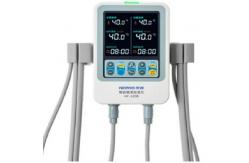
Creating a cable assembly with silicone cables for a patient
monitor involves several critical considerations to ensure
reliability, patient safety, and durability. Here’s a guide on how
to approach this: Key Components and MaterialsSilicone Cable: - Flexibility: Silicone cables are extremely flexible, which is essential for
patient monitors that may need to be frequently repositioned or
moved.
- Temperature Resistance: Silicone can withstand a wide range of temperatures, making it
suitable for various environments, including those that require
sterilization.
- Biocompatibility: Silicone is biocompatible, ensuring it’s safe for use in devices
that may come into contact with skin.
- Chemical Resistance: Resistant to many chemicals and cleaning agents, which is
important for maintaining hygiene and durability in medical
environments.
Connectors: - Medical-Grade Connectors: Use connectors that are certified for medical use, ensuring they
meet safety standards and are compatible with the silicone cable.
- Overmolding: Consider overmolding the connectors with silicone or other
compatible materials to enhance durability, provide strain relief,
and ensure a secure connection.
Shielding: - EMI/RFI Shielding: For patient monitors, maintaining signal integrity is crucial. Use
shielding to protect against electromagnetic interference (EMI) and
radio-frequency interference (RFI).
- Grounding: Ensure proper grounding in the cable assembly to protect against
electrical noise and ensure accurate monitoring.
Design ConsiderationsBiocompatibility: - Ensure all materials used in the cable assembly are biocompatible
and meet medical standards, such as ISO 10993.
Flexibility and Durability: - Cable Strain Relief: Incorporate strain relief features at connection points to prevent
wear and tear, particularly where the cable connects to the monitor
or sensors.
- Tensile Strength: Test the cable for tensile strength to ensure it can withstand
pulling and bending without damage.
Environmental Sealing: - Waterproofing: Consider sealing the cable assembly to protect against moisture
and fluids, especially if the monitor will be used in environments
where exposure to liquids is common.
- Chemical Resistance: Ensure the assembly can withstand cleaning agents and
disinfectants used in medical settings.
Electrical Performance: - Signal Integrity: Use high-quality conductors and insulation materials to maintain
signal integrity, ensuring accurate patient monitoring.
- Low Capacitance: For cables transmitting sensitive signals, choose materials that
minimize capacitance to avoid signal degradation.
Manufacturing ProcessPrototyping: - Develop prototypes to test the cable assembly’s performance,
including flexibility, durability, and signal transmission.
Prototyping helps in identifying and resolving potential issues
before mass production.
Assembly: - Cable Preparation: Cut and strip the silicone cables to the required lengths,
ensuring clean and precise terminations.
- Connector Attachment: Attach the connectors securely, ensuring proper alignment and
secure electrical connections. Overmolding may be applied at this
stage to enhance durability.
- Shielding Integration: Apply shielding as needed, ensuring it is properly grounded and
integrated into the cable assembly.
Testing: - Electrical Testing: Conduct tests to ensure the assembly maintains proper electrical
continuity, insulation resistance, and signal integrity.
- Mechanical Testing: Test the assembly for flexibility, tensile strength, and
durability under conditions that simulate real-world use.
Quality Control: - Implement rigorous quality control processes to ensure every cable
assembly meets the necessary medical standards and performs
reliably in patient monitoring applications.
Applications- Electrocardiogram (ECG) Monitoring: Silicone cables provide the flexibility and biocompatibility
needed for accurate and comfortable patient monitoring.
- Pulse Oximetry: Used to connect sensors that monitor oxygen levels in the blood,
requiring durable and reliable connections.
- Blood Pressure Monitoring: Ensures accurate data transmission from sensors to the monitoring
device.
ConclusionA silicone cable assembly for patient monitors offers the necessary
flexibility, durability, and biocompatibility required in medical
environments. By focusing on high-quality materials, precise
manufacturing processes, and thorough testing, you can create a
reliable and safe product tailored to the needs of healthcare
providers and patients. |