
Clear BIPV Solar Glass Weather Resistant Photovoltaic Glass For Buildings
|
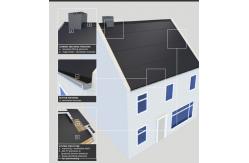

BIPV Power Glass The Ultimate Solution For Sustainable And Aesthetically Pleasing BuildingsBIPV (Building-Integrated Photovoltaics) power glass refers to photovoltaic materials embedded into glass panels, allowing buildings to generate electricity while maintaining functionality as windows, facades, or skylights. Unlike traditional solar panels mounted on rooftops, BIPV glass blends seamlessly into architecture, enhancing aesthetics and energy efficiency. Types of BIPV Power Glass Technologies
Key Features & Benefits✔ Energy Generation – Produces electricity while serving as part of the building envelope. ✔ Aesthetic Integration – Customizable transparency, colors, and patterns. ✔ Thermal & UV Insulation – Reduces heat gain, lowering HVAC costs. ✔ No Additional Space Needed – Replaces conventional glass in facades, windows, and roofs. ✔ Sustainability – Lowers a building’s carbon footprint. Applications of BIPV Power Glass1. Solar Windows & Curtain Walls
2. Solar Skylights & Canopies
3. PV Facades & Spandrels
4. Balcony Railings & Noise Barriers
5. Greenhouses & Atriums
Challenges & Limitations⚠ Higher Cost – More expensive than conventional glass (but offsets energy costs over time). ⚠ Efficiency Trade-offs – Higher transparency = lower power output. ⚠ Durability & Degradation – Some thin-film tech degrades faster than silicon. ⚠ Regulatory & Standards Compliance – Building codes must adapt to BIPV. Future Trends
|
| Product Tags: Clear BIPV Solar Glass BIPV Solar Glass Weather Resistant Weather Resistant Photovoltaic Glass For Buildings |
|
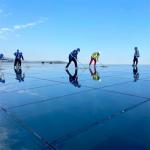
Aesthetic &High-Efficiency Modern BIPV Solar Glass Suitable for Integrated Facede&Roof Energy Syetem |
|
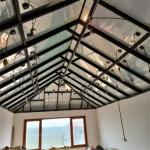
Customizable BIPV Glass Panels Clear Glass For Sustainable Architecture Solutions |
|
Clear BIPV Solar Glass Weather Resistant Photovoltaic Glass For Buildings |
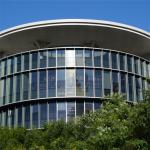
|
Superior Power Efficiency BIPV Power Glass Suitable for Commercial and Residence Buildings |
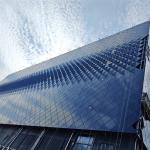
|
Clear Energy High Efficiency BIPV Power Glass Suitable for Architecture and Buildings |

|
High-Performance Weather-Resistant BIPV Solar Glass Solutions for Power&Aesthetics Combined |