
Bulk Polyurethane Potting Material For Electronics Thermal Conductivity BZ-3900-G2.5
|


BZ-3900-G2.5: 2.5 W/m·K High Thermal Conductivity Silicone Potting CompoundProduct DescriptionBZ-3900-G2.5 is a heavy-duty two-component addition-cure silicone potting compound engineered for extreme heat dissipation in high-power electronic systems. With a thermal conductivity rating of ≥2.5 W/m·K, ultra-low water absorption, and UL94 V0 flame retardancy, it provides exceptional thermal management, mechanical stability, and environmental protection for components operating in harsh conditions. This high-density compound is designed for applications requiring maximum heat transfer efficiency in compact spaces.
Key Product Features
Technical Parameters
Product Applications1.Grid-Scale Energy Storage: Encapsulates large-format battery
packs and energy storage systems in power grids, ensuring efficient
heat dissipation and fire safety. Directions for Use
Packing & Shipping & Storage
FAQ:Q1: What are Thermal Conductive Adhesive Compounds used for? A1: Thermal Conductive Adhesive Compounds are used to bond components while efficiently transferring heat away from sensitive electronic parts, ensuring optimal thermal management in devices such as LEDs, CPUs, and power modules. Q2: What materials can Thermal Conductive Adhesive Compounds bond? A2: These compounds can bond a variety of materials including metals, ceramics, plastics, and electronic components, providing strong adhesion along with excellent thermal conductivity. Q3: How do Thermal Conductive Adhesive Compounds improve device performance? A3: By facilitating efficient heat dissipation from heat-generating components, these adhesives prevent overheating, improve reliability, and extend the lifespan of electronic devices. Q4: Are Thermal Conductive Adhesive Compounds electrically conductive? A4: Most Thermal Conductive Adhesive Compounds are electrically insulating to prevent short circuits, while still offering high thermal conductivity to manage heat effectively. Q5: What is the typical curing process for Thermal Conductive Adhesive Compounds? A5: The curing process varies by product, but generally involves
room temperature curing or heat curing at elevated temperatures to
achieve optimal adhesion and thermal performance. |
||||||||||||||||||||||||||||||||||||||||||||||||||||||||||||||||
| Product Tags: polyurethane potting material for electronics thermal conductivity potting compound BZ-3900-G2.5 potting material | ||||||||||||||||||||||||||||||||||||||||||||||||||||||||||||||||
|
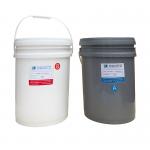
Thermal Potting Compound Rubber Silicone Gel Flame Retardant BZ-3911-1.5 |

|
Silicone 2 Part Potting Compound Epoxy High Thermal Conductivity OEM BZ-3900-G2.0 |
|
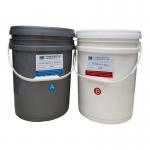
Silicone Potting Material Circuit Board Potting Compound Custom BZ-3900-N1.0 |

|
Thermal Potting Compound Silicone Resin Gel High Performance BZ-3501 |

|
Conductivity Thermal Potting Compound Silicone For Transformer ODM BZ-3900-N1.5 |

|
Bulk Polyurethane Potting Material For Electronics Thermal Conductivity BZ-3900-G2.5 |