
220V 440V Waste Recycling Machine Municipal Solid Waste Segregation Machine
|
Detailed Product Description
|
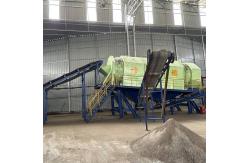
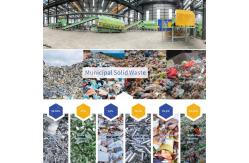
20T/D Municipal Solid Waste Processing Machines Waste Recycling System Solid Waste Sorting Machines Product characteristics Materials Recovery Facility (MRF) is a specialized plant designed
to receive, sort, process, and recover recyclable materials from
mixed waste streams. These facilities play a crucial role in waste
management systems by separating materials such as paper,
cardboard, plastics, metals, and glass for recycling purposes. MRFs
utilize various technologies, including conveyor belts, screens,
magnets, and optical sorting systems, to efficiently sort and
process incoming materials. The recovered recyclables are then
baled or otherwise prepared for sale to manufacturers, while any
remaining non-recyclable waste is typically sent to landfill or
further treatment. MRFs contribute to environmental sustainability
by diverting recyclable materials from landfills, conserving
natural resources, and reducing the overall environmental impact of
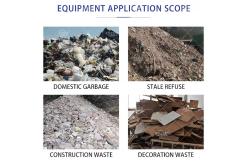
waste disposal. Working Process of Waste Recycling Production Line Receiving and Sorting: Waste materials are delivered to the MRF, where they are unloaded
and sorted to remove large items and contaminants that are not
suitable for recycling. Pre-Sorting: Manual or mechanical pre-sorting is often conducted to remove
bulky items, such as furniture or appliances, and hazardous
materials that could damage equipment or pose safety risks. Primary Sorting: The remaining waste stream enters a sorting area where various
mechanical equipment, such as conveyor belts, screens, and air
classifiers, are used to separate materials based on size, shape,
and density. This step helps to segregate materials like cardboard,
paper, plastics, metals, and glass. Secondary Sorting: After primary sorting, further separation may
occur through manual or automated processes. This can include
optical sorting systems that use sensors and air jets to identify
and separate different types of plastics or other materials. Processing and Baling: Once sorted, the recyclable materials are processed into bales or
other compact forms for transportation to recycling facilities.
This often involves shredding, compacting, or crushing materials to
reduce their size and increase efficiency in handling and
transportation. Residue Management: Any remaining non-recyclable materials, known as residue or
residuals, are typically separated and disposed of in landfill or
sent for further treatment, such as waste-to-energy processes. Quality Control: Throughout the process, quality control measures are implemented
to ensure the purity and quality of the recovered materials, as
contamination can reduce the value and effectiveness of recycling
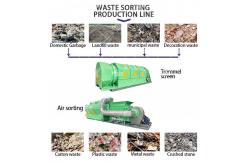
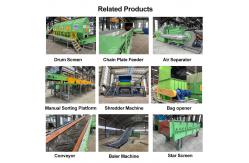
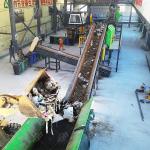
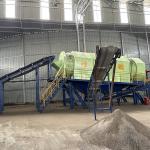
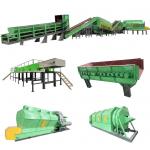
efforts. Waste sorting production line: Urban waste, construction waste, or stale waste enters the feeder --Bag breaking machine--Belt conveyor --Waste trommel screen machine -- Magnetic separator --Integrated air separator-- Manual sorting platform -- Garbage packaging system -- Waste shredder machine. Product Paramenters
*This is the basic model of our waste sorting machine. Our factory
manufactures customized machines according to the different
requirements of different customers. Customer Site Certifications Company Profile |
||||||||||||||||||||||||
| Product Tags: 440V Waste Recycling Machine 220V Waste Recycling Machine Municipal Solid Waste Segregation Machine | ||||||||||||||||||||||||
Related Products
|
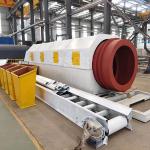
Municipal Solid Waste Sorting Equipment Msw Sorting Plant CE ISO Approval |
|
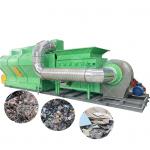
20TPD Automatic Waste Sorting Machine Environmental Solid Waste Recycling Plant |
|
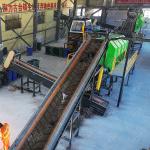
Municipal Solid Waste Sorting Machine 20t/D Municipal Waste Segregation Machine |
|
20t/D Solid Waste Screening Machine Msw Sorting Machine Line |
|
Garbage Msw Processing Plant Waste Recycling Machine 20tpd Capacity |
|
Customized 20T/D Msw Recycling Plant Municipal Waste Sorting Machine |
Email to this supplier