
Polyimide 2 U" ENIG Double Layer Flexible PCB Circuit Board FPC
|


|
Polyimide 2 U" ENIG Double Layer Flexible PCB Circuit Board FPC
What Are Flexible PCBs Used For?
A flex PCB is essentially the same thing as a non-flex board except the flexible PCB uses a flexible base material to make its circuit connections. This is most helpful for products that will likely not be stationary devices. The durability and size of flexible PCBs, as well as the shrinking sizes of electronics, has resulted in their adoption by a growing number of industries. Just a few of these industries and applications include the following:
Automobiles: With the automotive industry increasingly turning toward electronic components, circuits that can handle the vibrations and stresses of a vehicle’s interior are more important than ever. Flexible PCBs offer a valuable option for the industry, providing a durable yet cost-effective option.
Consumer Electronics: Flexible PCBs are typically used in small electronic products like cell phones, tablets, cameras, video recorders and other similar smaller gadgets on the market today. These products may be transported or handled regularly, making the flexible PCB’s resistance to shock and vibration a useful feature.
High-Speed Digital, RF and Microwave Applications: The reliability of flexible PCBs makes them ideal for handling high-frequency signals.
Industrial: Industrial electronics often handle massive amounts of vibration and stress, so flexible PCBs with shock absorption and anti-vibration capabilities are a must.
LED: LED lighting is massively popular today in both residential and commercial applications. This is primarily because of LED technology’s incredible power efficiency. Heat is often the only concern, which can be mitigated with flexible PCBs and their effective heat transfer properties.
Medical Systems: Small and dense electronic designs are becoming increasingly important in the medical industry, with handheld surgical technology and even electronic implants growing in popularity. Flexible PCBs can be applied in both cases, meeting the durability and size requirements of surgical technology and the necessary flexing ability for implants.
Power Electronics: Another benefit of flexible PCBs is that they can be coupled with highly flexible, thin layers of copper, which means the board can handle heavier power currents. This is especially important in devices that will require more power to operate at full capacity, like those found in the power electronics industry.
Flex printed circuit boards can address most of the issues facing today’s engineers. If you’re looking for an improved stretch, broader flexibility and simple use with leading packaging changes, it’s time to talk to us about flex PCBs. Whether you need single-sided flex boards or multi-layer high-reliability boards, we ensure your finished product will be of the highest quality.
Lead Time:
·
PCBs we made:
Work Shop:
|
||||||||||||||||||||||||||||||||
| Product Tags: Polyimide 2 U Double Layer Flexible PCB ENIG Flexible PCB Board 2 U" Flexible PCB Board |
|
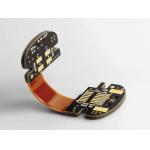
Wearable Products Flexible Rigid PCB 4 Layer FR4 ENIG Printed Circuit Board |
|
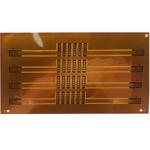
Single Sided Flexible Printed Circuit Board Polyimide Base PI 1oz Custom |

|
18um Fpc Immersion Gold Heavy Copper Flex Pcb Led Ts16949 Iso 14001 |

|
Single Double ENIG Coated Flexible PCB Board For Electronic Equipment |
|
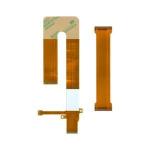
Yellow Cover Film Printed Circuit Board 2 Layer With Surface ENIG |

|
35um Electronics Flexible PCB Board FPC Prototype Flexible ENIG 2u" PTEF PI |