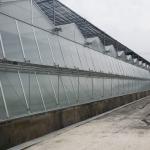
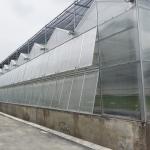
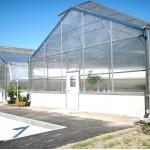
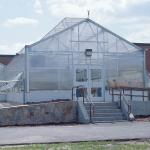
Photovoltaic greenhouses are an innovative model that deeply
integrates photovoltaic power generation with facility agriculture.
By installing photovoltaic panels on the roof or sides of the
greenhouse, they achieve a three-dimensional utilization model of
"power generation on the roof and cultivation below." This model
not only fully utilizes land resources but also allows the light
transmittance of the photovoltaic panels to be adjusted according
to the needs of different crops. It is suitable for growing
low-light-tolerant edible fungi, shade-loving Chinese herbal
medicines, and high-value-added cash crops.
The photovoltaic system provides stable, clean electricity for the
greenhouse, meeting electricity needs such as temperature control,
irrigation, and supplemental lighting. Excess electricity can be
sold to the grid, achieving the dual benefits of "agriculture +
power generation." Compared to traditional agriculture,
photovoltaic greenhouses offer higher technological content,
support off-season planting and precise environmental control,
reduce the use of chemical fertilizers and pesticides, and enhance
the quality and added value of agricultural products.
Furthermore, photovoltaic greenhouses offer significant
environmental benefits, such as reducing carbon emissions and
lowering reliance on traditional energy sources. They are an ideal
choice for the transformation and upgrading of modern agriculture
and green development.
Product Advantages
- Dual Benefits: Enables simultaneous agricultural production and photovoltaic
power generation, improving land utilization.
- Precise Light Control: PV panels can adjust light transmittance to meet the lighting
requirements of different crops.
- Clean Energy Power Supply: Self-generated electricity meets greenhouse temperature control,
irrigation, supplemental lighting, and other electricity needs,
reducing energy costs.
- Off-season Planting: Enables year-round production, extending market supply cycles.
- Environmentally Friendly and Low-Carbon: Reduces carbon emissions and reduces dependence on traditional
energy sources.
- High-Quality Agriculture: Precise environmental control reduces the use of chemical
fertilizers and pesticides, improving the quality and added value
of agricultural products.
Application Scenarios
- Edible Fungi Cultivation: Low-light-tolerant crops such as shiitake mushrooms, oyster
mushrooms, and enoki mushrooms.
- Chinese Herbal Medicine Cultivation: Suitable for shade- and semi-shade-loving medicinal herbs.
- High-value-added Cash Crops: Such as sprouts, ornamental plants, and premium vegetables.
- Protected Agriculture Parks: Develop modern agricultural demonstration bases that combine
agricultural tourism, scientific research, and production.
- Agriculture + New Energy Projects: Suitable for large-scale photovoltaic agriculture development,
balancing green energy and food security.