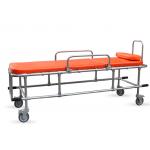
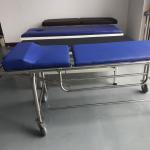
Non Magnetic Stretcher: A Must-Have in MRI Room
Description
Magnetic Resonance Imaging (MRI) is a diagnostic tool
that uses strong magnetic fields and radio waves to produce
detailed images of the body's internal organs and tissues. It is a
non-invasive and painless procedure that has become a standard in
modern medicine. However, the magnetic fields generated by an MRI
machine can pose a danger to patients and healthcare workers alike.
One of the challenges faced by healthcare
professionals in an MRI room is the presence of ferromagnetic
objects. These objects can be attracted to the MRI machine, causing
serious injury or death if they are not removed from the room.
Therefore, it is essential to have non-magnetic equipment in the
MRI room, including stretchers.
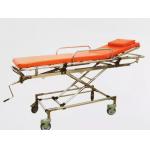
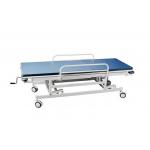
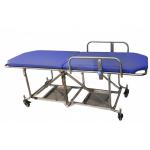
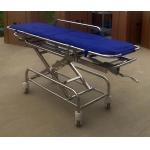
A non-magnetic stretcher is made of non-ferrous
materials such as aluminum or carbon fiber. This type of stretcher
does not contain any metal components that could be attracted to
the MRI machine. It is lightweight, easy to maneuver, and can be
safely used in the MRI room without causing any interference with
the imaging process.
Moreover, non-magnetic stretchers are designed to
meet the specific needs of MRI patients. They have a narrow profile
that allows them to fit into the confined space of the MRI machine.
They also have a low height that makes it easy to transfer patients
onto and off the stretcher. Additionally, non-magnetic stretchers
are equipped with safety features such as locking brakes, safety
belts, and side rails to ensure the patient's comfort and safety
during the transfer process.
In conclusion, a non-magnetic stretcher is a
must-have in an MRI room. It provides a safe and efficient way to
transfer patients without interfering with the imaging process.
Healthcare professionals should ensure that all equipment used in
the MRI room is non-magnetic to prevent accidents and ensure the
safety of patients and staff.
Specification
I. Advantages of Non Magnetic Stretcher
A. Safe for Patients with Implantable Devices
B. Ideal for MRI Rooms
C. Easy to Clean and Maintain
D. Lightweight and Durable
II. Types of Non Magnetic Stretchers
A. Manual Non Magnetic Stretchers
B. Hydraulic Non Magnetic Stretchers
C. Electric Non Magnetic Stretchers
III. Features of Non Magnetic Stretchers
A. Adjustable Headrest and Footrest
B. Safety Belts and Straps
C. Lockable Wheels
D. Foldable Design for Easy Storage
IV. Applications of Non Magnetic Stretchers
A. Emergency Medical Services
B. Hospitals and Clinics
C. Ambulance Services
D. Military and Defense
Suitable | 1.5 Tesla and 3T MRI Machine |
Material | Non metal |
N.W | 30 KGS |
Load-bearing | 240 KGS |