


Hotel Bathroom Ceilings
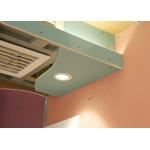
Hotel bathrooms are used frequently and repairs affect room availability. MR gypsum board helps reduce the risk of using standard drywall in a ceiling area that faces repeated steam and cleaning moisture.
Foshan Huiju Decoration Material Co. Ltd.
City: foshan
Country/Region:china
Tel:86--19928258506
Contact Person:
|
|
Bathroom Ceiling Application Guide Moisture Resistant Gypsum Board for Bathroom Ceiling SystemsBathroom ceiling systems are one of the most common applications for moisture resistant gypsum board. The ceiling usually does not receive direct standing water, but it faces steam, warm air, cleaning moisture and poor ventilation after daily use. In hotels, apartments and residential bathrooms, choosing the wrong ceiling board may lead to surface bubbling, weak joints, coating failure and repeated maintenance. Moisture resistant gypsum board, also called green plasterboard, MR drywall or moisture resistant plasterboard, is a practical choice when the project needs a smooth ceiling surface in a damp interior space. It is more suitable than standard gypsum board for bathroom ceilings, but it should still be used with correct joint treatment, surface finishing and ventilation. Project Problem Why Ordinary Gypsum Board May Be Risky for Bathroom CeilingsThe ceiling may look dry during installation, but its real working condition changes after the bathroom is used every day. In many projects, the bathroom ceiling is treated like a normal interior ceiling. The installer may choose standard gypsum board because it is familiar, easy to cut and cost-effective. However, once the bathroom is in daily use, the ceiling faces a different environment from bedrooms, offices or living rooms. Hot steam rises after showers, cleaning moisture may remain in the air, and ventilation may not remove humidity quickly enough. If standard gypsum board is used in a bathroom ceiling without considering humidity, the project may face problems later. The surface paper may become weak, joints may show cracks or stains, coatings may lose adhesion, and corners near exhaust fans or pipe openings may need repair. For hotels, apartments and rental properties, these problems are costly because each repair may interrupt room use and create complaints from owners or tenants. Moisture resistant gypsum board is selected because it better matches this type of damp interior condition. It helps contractors keep the smooth appearance and easy finishing process of gypsum board while reducing the risk of using ordinary drywall in a bathroom ceiling system. It is not a fully waterproof board, but for ceilings exposed mainly to steam and humidity, it is often a more reasonable choice. Practical point: bathroom ceiling conditions are different from
shower wall conditions. Moisture resistant gypsum board is often
suitable for ceilings, while direct shower walls may require cement
board, tile backer board or a complete waterproofing system. Application Scenarios Where This Bathroom Ceiling Board Is Commonly UsedThe product is useful when the ceiling needs a flat, finish-ready gypsum board surface in a humid indoor room. Hotel Bathroom CeilingsHotel bathrooms are used frequently and repairs affect room availability. MR gypsum board helps reduce the risk of using standard drywall in a ceiling area that faces repeated steam and cleaning moisture. Apartment Bathroom RenovationApartments and rental properties need materials that balance cost, installation speed and lower repair risk. Moisture resistant plasterboard is a practical option for bathroom ceiling renovation. Residential Bathroom ProjectsIn houses and villas, green plasterboard can be used for bathroom ceilings when the owner wants a smooth painted ceiling but still needs better humidity resistance than ordinary gypsum board. Good Fit
Needs Caution
Specification Reference Moisture Resistant Gypsum Board Specification for Bathroom CeilingsSize, thickness and edge type should match the local ceiling system and project requirement.
For bathroom ceilings, do not choose thickness only by price. Board
weight, ceiling support spacing, joint treatment and finish quality
should be considered together. Thickness and Edge How to Choose Thickness and Edge Type for Bathroom CeilingsThe right ceiling board should match the support system, finishing method and project level. 9mm / 9.5mmThese thicknesses may be used for ceiling systems in some markets where lighter board weight and local installation habits allow it. Buyers should confirm framing spacing and ceiling support requirements first. 12mm / 12.5mmThese options are often considered for stronger ceiling performance or commercial renovation projects. They may provide a more stable surface when the project has higher finishing expectations. Square Edge or Tapered EdgeTapered edge is usually easier for joint compound and smoother surface finishing. Square edge may be used where local installation habits or project details require it. Always confirm local construction habits before ordering. A board
that is common in one market may not be the preferred ceiling
specification in another market. Installation Notes How to Reduce Bathroom Ceiling Repair RiskA good board still needs correct installation and room conditions. 1 Keep Boards Dry Before UseStore boards flat and protected. Do not allow rain exposure or wet floor contact before installation. 2 Use Proper Ceiling SupportFrame spacing, fasteners and ceiling structure should match board thickness and local requirements. 3 Seal Joints CarefullyJoint tape, compound and edge treatment should reduce moisture entry through weak points. 4 Plan VentilationExhaust fans, airflow and surface coating help reduce long-term steam accumulation. Many bathroom ceiling failures are caused by system problems, not only by the board itself. If the room has no ventilation, if the coating is unsuitable, if pipe leakage is not solved, or if joints are poorly finished, even moisture resistant gypsum board may face problems. The board should be part of a complete ceiling system. For hotels and apartments, this is especially important. A ceiling repair may require room closure, labor scheduling and repainting. Choosing moisture resistant gypsum board is one step, but the project also needs correct storage, installation, sealing, ventilation and surface protection. Project Decision When Not to Use MR Gypsum Board for Bathroom CeilingsMoisture resistant gypsum board is suitable for damp ceiling conditions, but not for every water-related problem. Water Leakage Above the CeilingIf there is roof leakage, pipe leakage or standing water above the ceiling, the problem should be repaired first. MR gypsum board cannot solve active water leakage. Outdoor or Semi-Outdoor CeilingsBathroom ceiling board should not be used as an exterior rain-exposed board. For outdoor soffits or semi-open areas, another material system may be required. Poor Ventilation With Constant CondensationIf the ceiling is constantly wet because of poor ventilation, the room condition should be improved. A better board cannot replace airflow and humidity control. Quotation Information Needed for Bathroom Ceiling ProjectsTo quote accurately, the inquiry should state that the board is for bathroom ceiling systems. This helps the supplier understand the application and suggest suitable size, thickness, edge type, packing and loading details. Application: Bathroom CeilingProject TypeBoard SizeThicknessEdge TypeQuantityPacking RequestDestination PortDocument Request Example: We need moisture resistant gypsum board for hotel bathroom ceiling systems. Size 1220×2440mm, thickness 12mm, tapered edge, one 20GP container. Please quote with pallet packing, protective covering, loading quantity, estimated gross weight, lead time and available documents. FAQ Questions About Bathroom Ceiling Gypsum BoardIs moisture resistant gypsum board suitable for bathroom ceilings?Yes. It is commonly used for bathroom ceilings because the ceiling faces steam and humidity. It should still be combined with proper joint sealing, surface finishing and ventilation. Is it waterproof?No. Moisture resistant gypsum board is not fully waterproof. It is suitable for damp indoor ceiling areas, not for direct soaking, rain exposure or active leakage. What thickness is commonly used for bathroom ceilings?9mm and 9.5mm may be used in some ceiling systems, while 12mm and 12.5mm are often selected for stronger or commercial projects. Final selection depends on local ceiling system requirements. Can it be used for shower walls too?Shower walls are direct wet zones and may require cement board, tile backer board or a waterproofing system. Do not assume bathroom ceiling board is suitable for shower wall backing. |
|||||||||||||||||||||||||||||||||
| Product Tags: moisture resistant gypsum board bathroom ceiling gypsum board waterproof gypsum plaster board |

|
12.5mm High Density Gypsum Board 4x8ft 1220x2440mm Impact Resistant for Commercial Use |
|
Easy Installation Gypsum Board 4x8ft 12mm For Commercial Building Partition And Soundproofing |

|
Durable Waterproof Gypsum Board 1220x2440mm 12mm For Home Renovation And Wall Partition Projects |
|
4x8ft Pure Natural Gypsum Sound Insulation Drywall For Internal Wall Partitions And Ceilings |

|
Customized 9.5Mm/10.5Mm/12Mm Standard Plaster Board Mould Resistance Interior Decoration Gypsum Board |
|
Factory Direct Sales 1220X2440Mm Sheetrock Plasterboard Non-Combustible Gypsum Core Knauf Gypsum Board |