
Reverse Drawing Technology Hydraulic Press Machine For Kitchen Appliances
|
Detailed Product Description
|
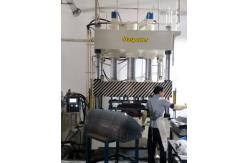
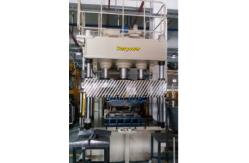
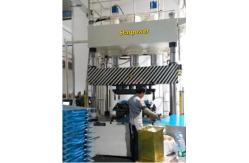
The detailed operation process of reverse stretching technology for
kitchen appliance hydraulic press: 1. Preparation stage Check the hydraulic press: Ensure that the equipment is running normally, there are no fault alarms, and all components are intact and undamaged. Mold installation: Install the mold suitable for reverse stretching correctly on the hydraulic press worktable and tighten it. Material preparation: Place the raw materials of kitchen appliance components that have undergone preliminary processing on the mold, ensuring accurate positioning. 2. Device startup Turn on the power of the hydraulic press and start the hydraulic system. Preheat and debug the equipment, and check the flexibility of each moving component. 3. Positive stretching (if previously done) According to the process requirements, perform forward stretching operation first to preliminarily shape the material. 4. Reverse stretching operation Adjust the stroke and pressure parameters of the hydraulic press to the values required for reverse stretching. Start the hydraulic press, the movable crossbeam drives the upper mold to move downwards, and reverse stretches the material that has already been preliminarily formed. During the stretching process, closely observe the deformation of the material to ensure uniform stretching and avoid wrinkles or cracks. 5. Maintain pressure After reaching the predetermined depth of reverse stretching, maintain pressure for a period of time to fully deform the material and stabilize its shape. 6. Pressure relief return After the pressure is maintained, slowly release the pressure, move the crossbeam back, and drive the upper mold to rise. 7. Remove the workpiece Carefully remove the kitchen appliance components after reverse stretching from the mold. 8. Quality inspection Conduct quality inspections such as dimensional measurement and visual inspection on the stretched components to determine if they meet the requirements. 9. Cleaning and maintenance Clean up residual materials and debris on molds and workbenches. Perform necessary maintenance and upkeep on the hydraulic press, such as checking the hydraulic oil level, lubricating components, etc. For example, when reverse stretching a stainless steel sink, if it is found that one side of the material is stretched too much and the other side is not stretched enough during the stretching process, it is necessary to adjust the pressure distribution or the position of the mold in a timely manner to ensure that the shape of the sink is uniform and consistent. For example, for some thinner materials, it may be necessary to control the stretching speed during reverse stretching to avoid material breakage caused by excessive speed. It should be noted that different models and specifications of kitchen appliance hydraulic presses may have different operating details. Therefore, before actual operation, it is necessary to carefully read the equipment's operation manual and relevant process documents, and have professionally trained personnel operate them.
Specifications:
|
|||||||||||||||||||||||||||||||||||||||||||||||||
| Product Tags: Reverse Drawing Hydraulic Press Machine Reverse Drawing Technology Hydraulic Press Machine Kitchen Appliances Hydraulic Press Machine | |||||||||||||||||||||||||||||||||||||||||||||||||
Related Products

|
Four-column Hydraulic Deep Drawing for Stainless Steel Sink |

|
Four Column Double Action Hydraulic Press Machine ISO Certified For Cookware |
|
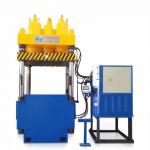
Customized 800 Ton Hydraulic Press Machine for Cookware ISO Certified |

|
Customized CNC Cookware 400 Ton Hydraulic Press Machine Kitchen Sink Machinery |
|
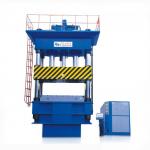
Stainless Steel Hydraulic Press Machinery For Round Bottom Corner Kitchen Sink |
|
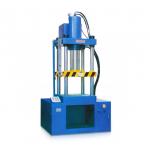
CNC Automatic Stretch Hydraulic Press Machine Vertical Aluminum Kitchen Sink |
Email to this supplier