

PiPO Tablet PC manufacturers typically perform quality control through a series of processes that are designed to ensure that their devices meet their quality standards. These processes can vary depending on the manufacturer and the specific model of tablet PC, but they generally include the following steps:
Component inspection: Tablet PC manufacturers inspect the components that will be used in their devices, such as the screen, battery, processor, and memory, to ensure that they meet their quality standards.
Assembly testing: Once the components have been inspected and approved, the tablet PC is assembled and tested to ensure that all of the parts fit together properly and that the device functions as it should.

Functional testing: Tablet PC manufacturers then perform a series of functional tests to ensure that the device operates correctly. These tests may include checks for Wi-Fi connectivity, screen responsiveness, and battery life.
Performance testing: Tablet PC manufacturers also perform performance testing to ensure that the device meets their standards for speed and reliability. This may involve running benchmark tests or other performance tests to ensure that the tablet PC can handle the demands of its intended use.

Final inspection: Before the tablet PC is packaged and shipped, it undergoes a final inspection to ensure that it meets all of the manufacturer's quality standards. This may include visual checks for defects, as well as more rigorous testing to ensure that the device is functioning properly.

Certifications

|
|

|
|

|
|
|
|
|

|
|

|
|
Certifications
Tel:86-755-23501393
Fax:86
Contact Person: Ms.Sandy


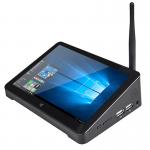
|
PiPO X8 X9 X10 Small PC Touch Screen All In One For Self Service Kiosks |
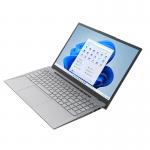
|
FHD DDR4 Custom Laptop NoteBook , 15.6 Inch Slim Laptop With Core I5 I7 12th |
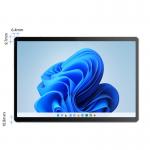
|
I5 Windows 2 In 1 Laptop Tablet Slim With 5G WiFi 2K Core Touchscreen |

|
13.3 Inch Educational Student Laptop Computers With Intel 10 Intel 11 12Th I3 I5 I7 |
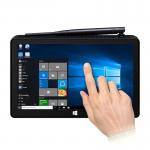
|
7 Inch Self Service Touch Screen Mini Computers With 1280x800 IPS Display |