
Fast Drying Thermoplastic Road Marking Paint with High Visibility Glass Beads for Durable Road Safety Coating
|


Detailed Product Description
|
Fast Dry Thermoplastic Road Marking Paint Curing Spray Coating For Road Safety & Vehicle Traffic Control Application Process Applying thermoplastic road marking paint involves heating the material to a temperature between 180°C and 220°C using a preheater. Once melted, the paint is transferred to a road marking machine and applied directly to the road surface. During application, glass beads are usually dropped onto the hot paint to enhance reflectivity. The paint cools and hardens within minutes, creating a durable, high-visibility line. Proper surface cleaning and temperature control are essential to ensure strong adhesion and long-term performance. Product Specifications
Key Advantages
Customization Services We support OEM, including customized packaging and private labeling. We can also tailor the formulation of our road marking paint to meet specific standards. Contact Information |
||||||||||||||||
| Product Tags: fast drying thermoplastic road paint high visibility road marking paint durable thermoplastic safety coating |
Related Products

|
25kg Per Bag Fast Drying Reflective Thermoplastic Road Marking Paint for High Traffic Road Surfaces |

|
Water, UV, and Chemical Resistant Thermoplastic Road Marking Paint with Quick Drying (5-10 Minutes) and High Temperature Application (180-220°C) |
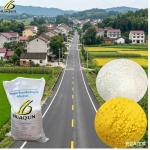
|
Dry Time 3 Minutes Thermoplastic Paint for Road Marking with 0.5 to 1.0 Mm Film Thickness and Durable Marking Solution |
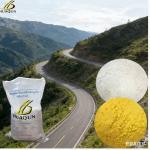
|
Quick Drying High Visibility Weather Resistant Hot Melt Marking Paint for Road and Traffic Safety |

|
Quick Drying Thermoplastic Paint for Road Marking with Water, UV, And Chemical Resistance and 180-220°C Melting Point |
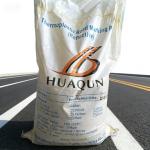
|
Thermoplastic Road Marking Paint with Fast Drying High Reflective Visibility and Strong Crack-Resistance for Long-Lasting Road Safety |
Email to this supplier