
ASTM D7309 Microscale Combustion Calorimeter for Plastics Flammability Testing
|


ASTM D7309 Micro CalorimeterProduct informationThe micro calorimeter can determine basic chemical thermal values and predict the fire resistance of materials in a matter of minutes. This technique can quickly determine parameters such as specific heat release rate (W/g), combustion heat (J/g), and ignition temperature (°C) on very small samples (1-10mg) with low cost, high accuracy, and typical repeatability of ±5%. Micro calorimeter data is associated with cone calorimeter, LOI oxygen index meter, UL94 horizontal/vertical combustion meter, oxygen bomb calorimeter, etc., and is therefore regarded as an efficient, low-cost tool for determining and predicting the fire resistance of materials. StandardASTM D7309-2007: Standard Test Method for Determining the Flammability of Plastics and Other Solid Materials by Microcombustion Calorimeter EMC 89/336/EEC: Electromagnetic compatibility 89/336/EEC LVD 72/23/EEC BS EN 60204-1: Safety of machinery - Electrical equipment for machinery - Part 1: General requirements BS EN 746-2: Industrial thermal processing equipment. Safety requirements for combustion and fuel handling systems
Application Range:This method is primarily applicable to determining the flammability characteristics of various combustible solid materials, including heat release rate (HRR), ignition temperature, and combustion behavior (such as heat of combustion and residue mass). Testing is typically performed on small samples (2-5 mg), making it suitable for R&D, quality control, material screening, and regulatory compliance. Specifically, this standard targets plastics and other solid materials, particularly those used in combustible components in the aerospace, automotive, construction, electronics, and consumer goods industries. Examples include:
Plastic materials: thermoplastics (such as polyethylene (PE), polypropylene (PP), polyvinyl chloride (PVC), polystyrene (PS), thermosets (such as epoxy resins and phenolic resins), and polymer matrices. Composites: Fiber-reinforced composites (such as glass fiber composites and carbon fiber composites) used in aircraft cabins, automotive components, or building panels. Additives and auxiliary materials: Flame retardant additives, pigments, fillers, and other ingredients used to enhance material properties. Other solid components: adhesives (such as those used in aircraft interiors), potting compounds (used in electronic packaging), coatings (such as fire-retardant coatings), films (such as packaging films or insulation films), and elastomers/rubbers (such as seals or cushioning materials). This method is not limited to a specific industry, but is particularly suitable for evaluating the flammability of aircraft cabin materials (such as seat padding and panel coverings) to comply with regulations such as the FAA. It can also be used to test the fire performance of building materials (such as insulation foam), automotive interiors (such as dashboard plastics), and electronic products (such as circuit board substrates). The test emphasizes the material's response to heat and flame, rather than the larger component. Product Advantages1.Integrated structure design, beautiful and generous 2. Combustion furnace: programmed control the temperature of combustion furnace heating to the specified temperature, constant temperature, temperature drift does not exceed 5K/h. Equipped with overtemperature protection device to protect the safety of equipment and personnel during the test 3.Temperature range: room temperature -1000℃, imported electric heating wire, over temperature protection, high- performance heating elements, longer service life 4.High precision MFC (mass flow controller), control air, oxygen, nitrogen gas intake, response time less than 1S, accuracy F.S±1%. l Imported oxygen sensor, range: 0-100%, T90<6 s. Accuracy ±0.1%, linear range: F.S±1% 5.The equipment is fast in testing and convenient in testing 6.LABVIEW data acquisition software, configuration computer control 7.Multiple heat dissipation device, the instrument heat dissipation fast 8. Sample heating rate can be adjusted 9.The sample cup is equipped with a temperature sensor 10.The sample cup can be automatically mo ved to the combustion furnace, special design to ensure soft contact 11. The equipment provides anaerobic and aerobic environmental high temperature decomposition test mode. 12.Displays the running status of devices in real time 13.Calibrate equipment and store calibration data results 14.Collect data during the test. l Heat release rate coefficient (W/g), combustion heat (J/g), ignition temperature (°C) and other parameters were calculated. Specification
|
||||||||||
| Product Tags: ASTM D7309 flammability tester for plastics microscale combustion calorimeter for flammability testing heat release rate tester for plastics |
|
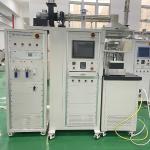
ISO 5660 Cone Calorimeter For Building Materials Heat Release Rate Tester Modular Design |
|
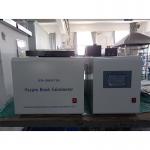
Building Materials Heat Release Rate Tester ISO 1716 Bomb Calorimeter Apparatus |

|
Fire Resistance SBI BS EN 13823 Single Burning Item Test For Building Materials |
|
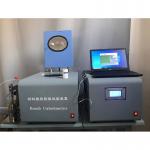
ISO 1716 Digital Bomb Calorimeter Instrument For Building Materials 0.5KW |

|
14 CFR Part 25, Section 25.853 Appendix F Part IV OSU Heat Release Rate Tester |

|
AS 1530.3 Building Materials Radiant Heat Flame Propagation Heat Release Test Apparatus |