
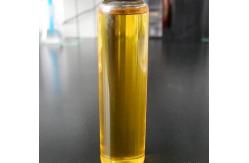
40% Docosahexaenoic Acid (DHA) Algal Oil
|
|
Introduction of DHA Docosahexaenoic Acid, abbreviated to DHA, belongs to the family of omega-3 long-chain polyunsaturated fatty acids. It cannot be synthesized by human body itself but supplied by the food. DHA is an important component of the brain and eyes cells and dominates in the brain and visible development of infants, especially being required by the pregnant and milk feeding women as well as infants. DHA Application 1, For golden citizens If properly administered certain amount of DHA, it will slow the pace of aging and fighting against Alzmir’s; 2, Infant Formula Added to Infant formula and infant foods to advance the intelligence and better the eyesight. 3, Supplement for pregnant mother Conducive to the development of brain and retina neurons of the fetus. 4, Health Care Regulate the blood circulation Lower the blood fat Antagonize anaphylaxis allergia Prevent the occurrence of allergic dermatis and bronchial asthma Ease the development of rheumatoid arthritis Enhance the function of retina reflection Guard against the weakening of the eyesight Reduce the liver neutral fat to cure the fatty liver Fight against certain cancers like breast cancer Lower the blood sugar so as to alleviate the symptom of diabetes. 5, Animal feed Lower the assay of cholesterol in animal’s body to the great extent, so as to improve the quality of meat, egg and milk that animal produced. Added to animals that used for fur business could polish the hair and fur of the animal, making it more smoother, soft and bright, thus to ensure the stable increasing of the economic results in husbandry culture. Suitable for developing pet’s fodder, which can make the pet more intelligent and active as well as brightening and sharpening its eye sight. Added to fish and domestic fowls’ fodder would strengthen the nutrition in those fishes, meats and eggs. Sources of DHA DHA comes from two sources: 1) marine animals origin (fish oil DHA); 2) marine microalgal origin (microalgal oil DHA). Fish oil DHA contains large quantities of EPA (eicosapentaenoic acid), which cannot be well separated from DHA, and organic pollutants caused by contaminating the ocean. EPA is another long-chain polyunsaturated fatty acid, which counteracts the positive effect of ARA and DHA in infant-bodies. So EPA is harmful to the natural development of infants. Microalgal oil DHA is extracted from microalgal that are cultivated by using fermentation technology in a well-controlled environment. Some of the microalgal species(after careful screening) do not contain EPA. Microalgal oil DHA(especially the product of FUXING) does not have a fishy smell, does not contain cholestrol ,EPA and organic pollutants. It is the safest source of DHA. Therefore, Microalgal DHA is particularly suitable for enriching infant foods and used as food additives for the pregnant and milk feeding women. The Tinnew DHA is microalgal oil DHA, with high quality and safe. Physical and chemical standards
|
|
100% natural Magnolia P.E.magnolol honokiol 90% powder |
|
Acer Truncatum Seed Extract Nervonic Acid 90% powder |
|
Thai Black Ginger Extract 5%-10% 5,7-Dimethoxyflavone powder |

|
Ginseng Soft Extract, Ginseng liquid extract |

|
High Quality Immunity Enhancement reishi spore oil /Ganoderma spore oil triterpene 20% |
|
Pharmaceutical Use Stephania Epigaea Extract Rotundine 98% / Tetrahydropalmatine (L-THP |